Many buyers feel tired of premium products that sound powerful but fail on site. The pain is simple. A good story cannot replace real performance.
The story premium is ending because professional buyers now judge products by useful value. They care about speed, reliability, durability, safety, maintenance, operating cost, and long-term performance more than emotional branding or beautiful marketing words.

For many years, I watched companies use strong branding to make ordinary products look premium. I understand why this worked before. Buyers had less information. Markets were less open. Product details were harder to compare. But today, the situation has changed. Customers ask better questions. They test more carefully. They compare data. They listen to field teams. They do not only ask what a product means. They ask what it can do. This change is not a threat to serious manufacturers. I see it as a good thing. It pushes us back to the core question: does the product create real value in the real world?
Why Are Professional Buyers No Longer Paying For Beautiful Stories?
Marketing stories can create interest, but they cannot keep trust after a product fails. Buyers now face pressure from budgets, safety rules, and project deadlines.
Professional buyers are no longer paying for beautiful stories because they need proof. They want products that reduce risk, save labor, lower running costs, and perform well in real work conditions.
Buyers Have More Experience Now
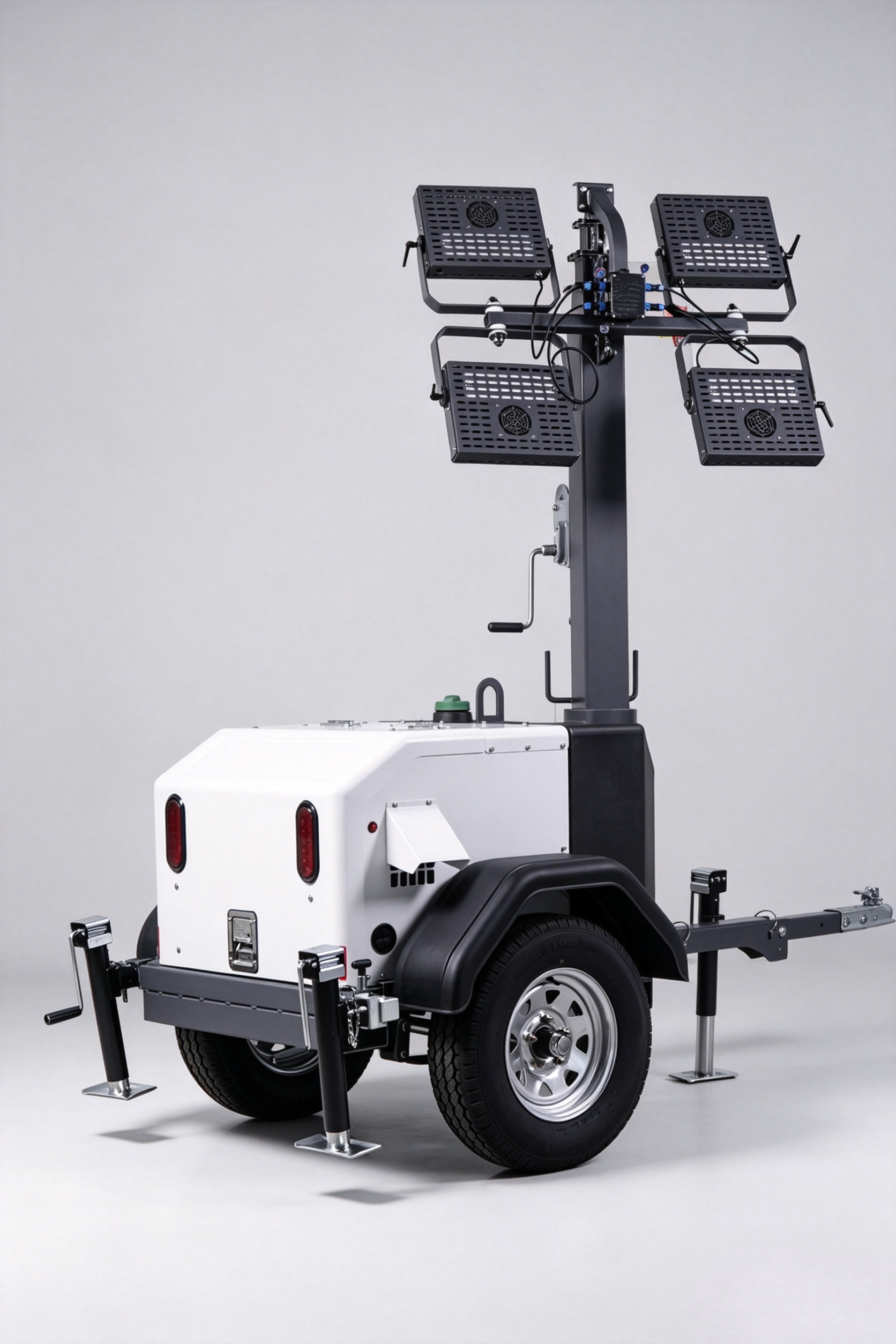
I have met many construction managers, emergency teams, and event suppliers who have used many types of temporary lighting. They have heard enough promises. They know that a shiny brochure does not help when a light tower is hard to move at midnight. They know that a strong brand name does not solve overheating. They know that soft words cannot protect workers from glare.
Today, buyers are more rational because they have more field experience. A buyer may still like a good brand story, but the story is only the first door. The real decision starts after testing.
| Old Premium Logic | New Premium Logic |
|---|---|
| The brand sounds high-end | The product performs better |
| The design looks impressive | The structure survives harsh use |
| The story creates emotion | The data proves value |
| The price feels premium | The result saves money |
| The promise feels unique | The user experience is better |
In my view, this is a healthy change. It removes fake value from the market. It also gives real manufacturers a fairer chance. At Moonlightia, we work in inflatable light towers and temporary lighting. Our users do not buy lighting for display only. They need safe light on roads, rescue sites, industrial areas, and events. So I believe every premium claim must answer a simple question: what can the customer actually feel, see, measure, or save?
What Defines A Premium Product In Real Applications?
A premium product is not premium because it has a higher price. It is premium because it gives better results under real pressure.
In real applications, a premium product is defined by faster deployment, stable performance, lower maintenance, safer use, better durability, higher efficiency, and longer service life.
Real Value Must Be Useful On Site
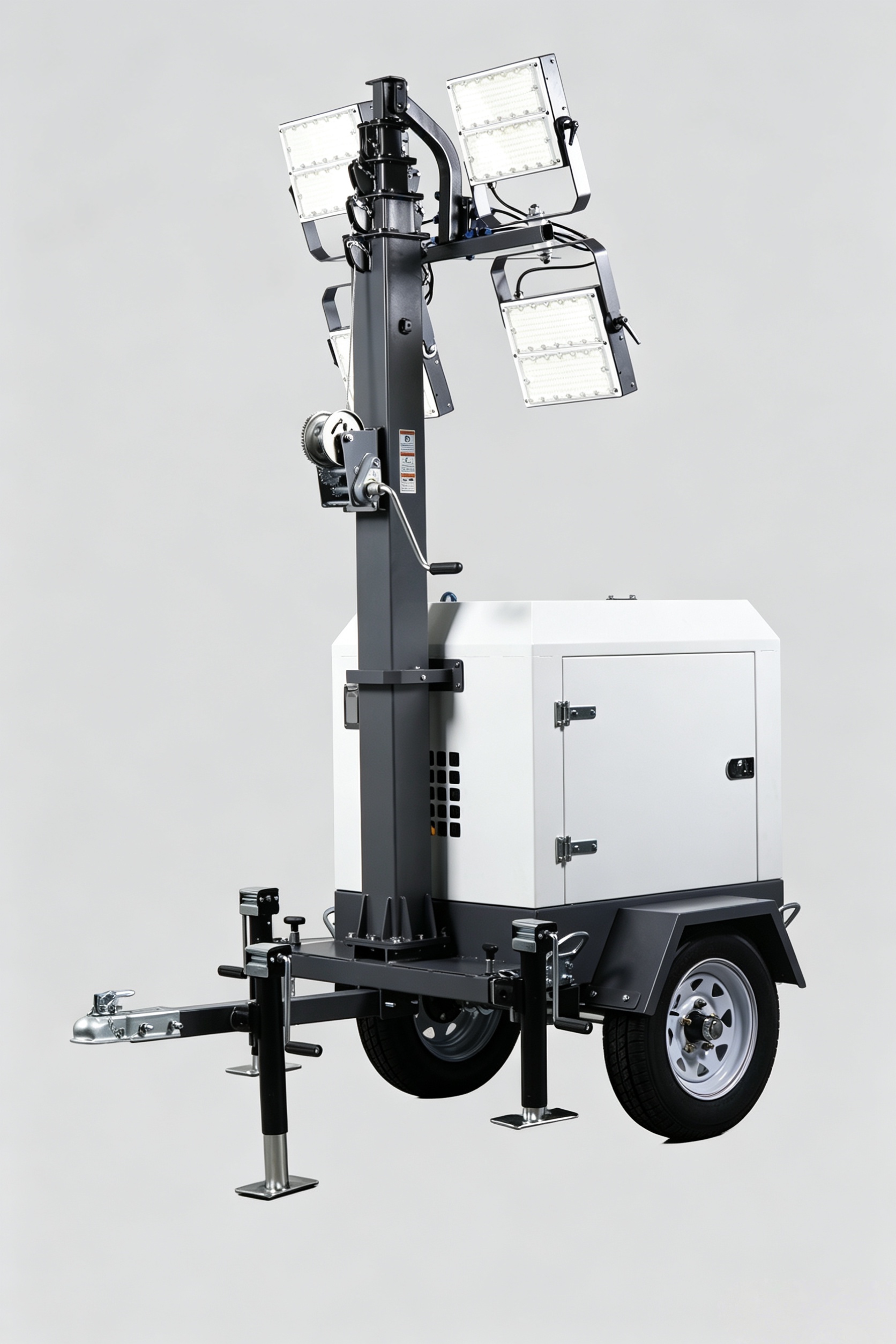
When I think about product value, I do not start from slogans. I start from the job site. A road construction team may need lighting before traffic control begins. A rescue team may need fast illumination after a disaster. An event team may need soft and even light without disturbing guests or cameras. These users judge the product through action.
A premium light should make the work easier. It should not create new problems. It should be easy to transport. It should deploy quickly. It should stay stable in wind, dust, rain, and long working hours. It should not blind workers. It should not waste energy. It should not require constant repair.
| Product Question | Real Customer Meaning |
|---|---|
| Does it deploy faster? | Fewer workers and less setup time |
| Is it more reliable? | Less downtime during critical work |
| Can it survive harsh environments? | Safer use in outdoor and industrial sites |
| Is maintenance easier? | Lower labor and service cost |
| Does it reduce operating cost? | Better long-term return |
| Will it perform after years? | Less replacement pressure |
This is why I believe premium value must be physical and practical. Better heat dissipation means longer LED life. Stronger structures mean safer use. Stable control systems mean fewer failures. Higher efficiency means lower energy cost. Easier transportation means less labor. These details may not sound as exciting as a brand story, but they are the reason customers return. Real value often hides in small engineering choices.
Why Is The Story Premium Fading In Industrial Lighting?
The story premium is fading because industrial lighting users face real risks. A weak product can delay work, increase danger, and raise total cost.
In industrial lighting, the story premium is fading because buyers need reliable illumination for safety, productivity, and cost control. They care more about measured performance than emotional positioning.
Lighting Is A Working Tool, Not A Decoration
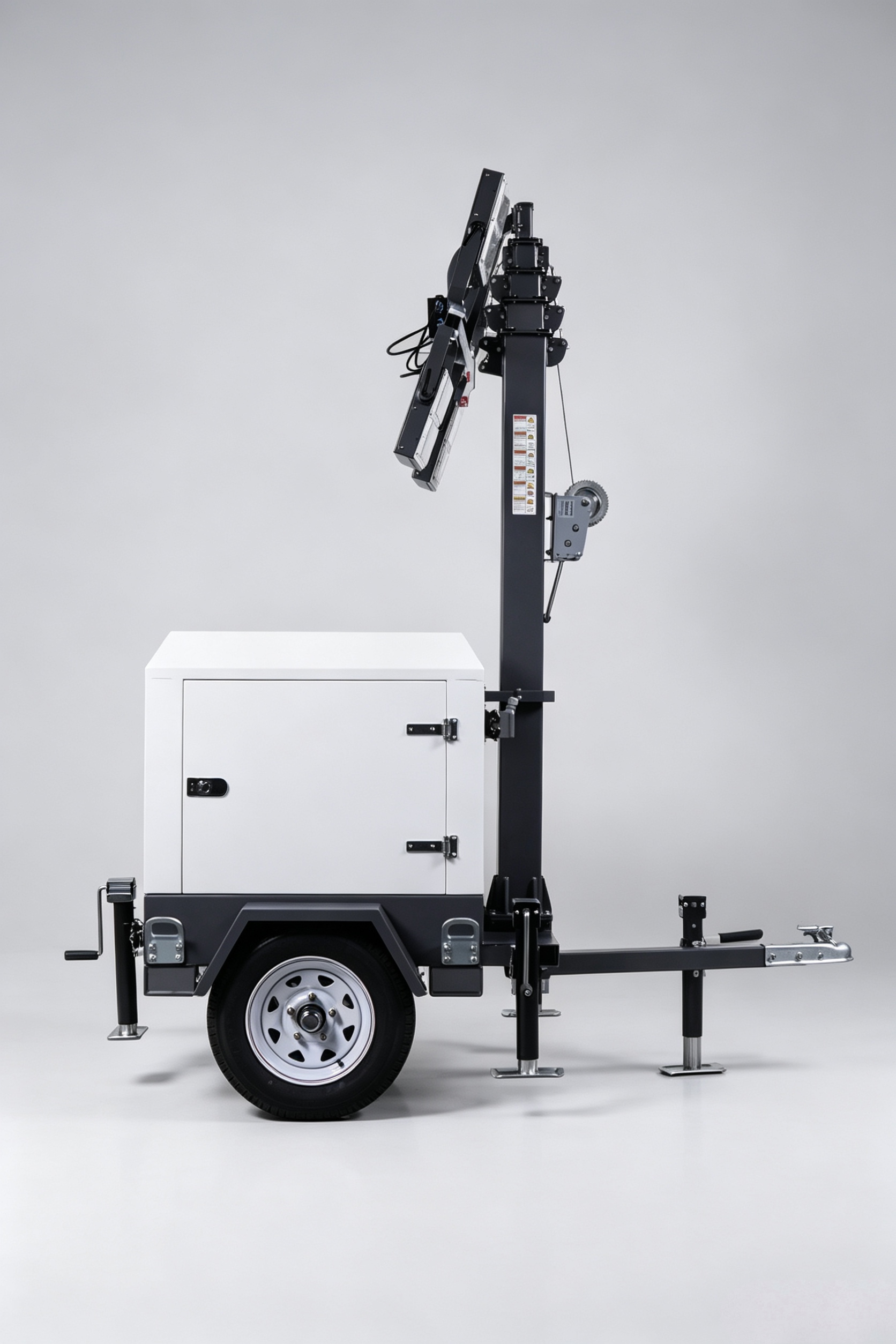
Industrial lighting is different from many consumer products. A beautiful story may help a lifestyle product sell. But on a construction site, light is a tool. In emergency rescue, light can support life-saving work. In road maintenance, light protects workers and drivers. In events, light affects safety, comfort, and visual experience.
I learned that customers do not remember the most poetic brand sentence after a long night job. They remember whether the light was easy to set up. They remember whether it stayed bright. They remember whether it created glare. They remember whether the equipment failed when the weather became bad.
For inflatable light towers, this point is even more direct. The product must be portable, fast, stable, and safe. It must offer wide illumination without harsh glare. It must reduce the burden on workers. It must be strong enough for outdoor conditions. A premium inflatable light tower should prove its value before, during, and after the job.
| Lighting Use Case | What Buyers Really Need |
|---|---|
| Pembangunan jalan | Glare-free light, safety, fast setup |
| Fire rescue | High reliability, rapid deployment, rugged build |
| Event lighting | Soft light, clean appearance, quiet operation |
| Industrial maintenance | Stable brightness, durability, easy service |
| Municipal projects | Long life, low cost, weather resistance |
At Moonlightia, I see this change as an opportunity. We are not forced to hide behind words. We can focus on making the product better. We can improve components, structures, control systems, and user details. That is the kind of premium I trust.
How Can Manufacturers Turn Premium Pricing Into Visible Value?
Manufacturers can turn premium pricing into visible value by linking every added cost to a clear customer benefit. Each improvement must solve a real problem.
Manufacturers can make premium pricing fair by improving engineering, durability, safety, efficiency, service, and usability. Customers should clearly see what extra value they receive.
Every Dollar Must Have A Job
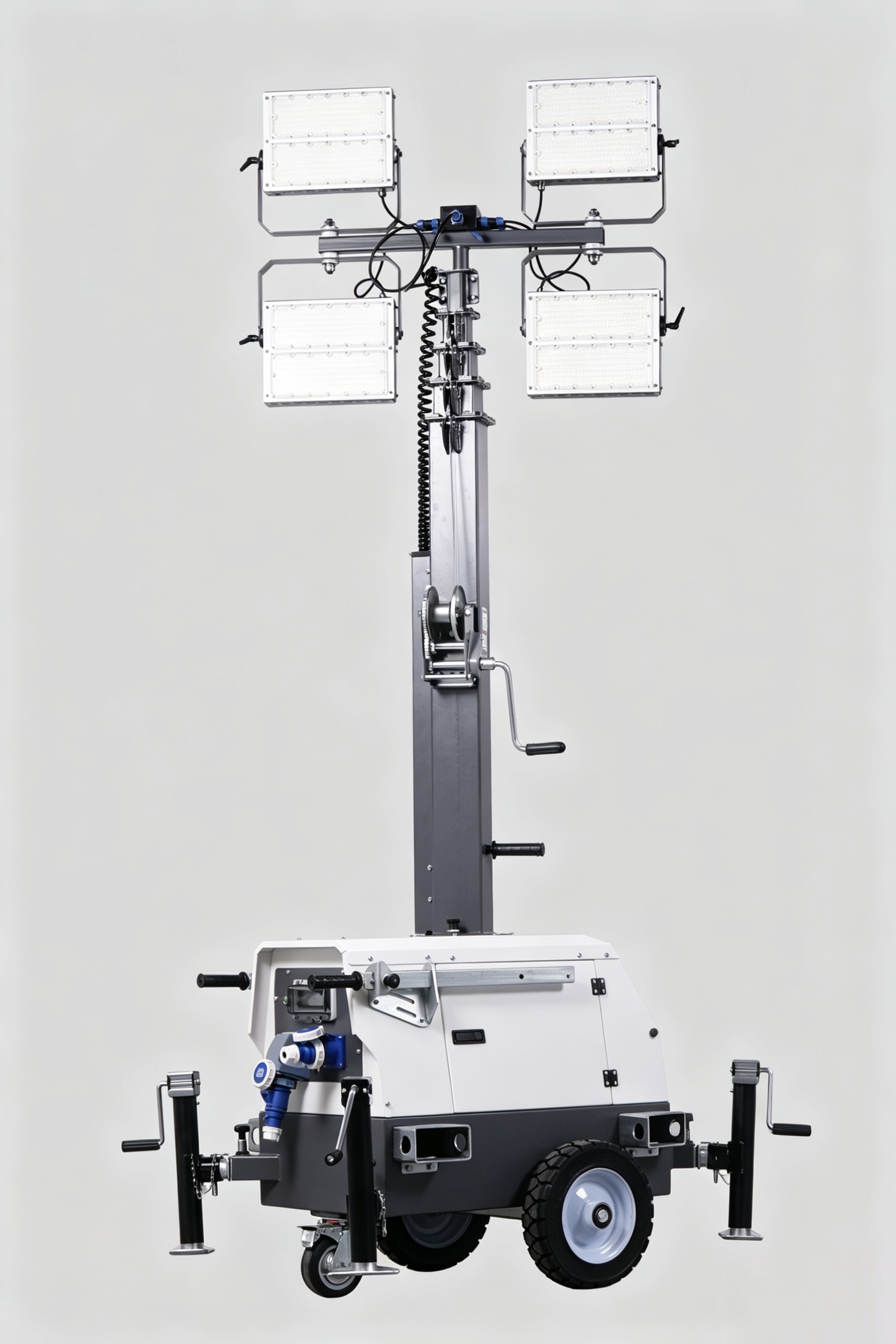
I believe premium pricing should never be artificial. It should be traceable. When a customer pays more, they should know why. Maybe the product uses better LEDs. Maybe the structure is stronger. Maybe the waterproof design is more reliable. Maybe the control system is safer. Maybe the product needs less maintenance across several years.
This is not only a pricing issue. It is also a responsibility issue. A manufacturer should not ask customers to pay more only because the brand looks bigger. The product itself must carry the value.
| Premium Investment | Customer Value |
|---|---|
| Better heat dissipation | Longer lifespan and stable brightness |
| Stronger structure | Safer use in harsh environments |
| High-quality LEDs | Better efficiency and lower energy cost |
| Stable control system | Fewer faults and easier operation |
| Portable design | Faster movement and lower labor cost |
| Better service support | Less risk after purchase |
I often think about this in a simple way. If I cannot explain how an improvement helps the customer, then maybe it is not real value. In our work, a small design change can matter a lot. A handle position can affect transport. A setup method can save minutes. A glare-free design can protect workers during long night shifts. A better fabric or frame can extend service life. These are not decorative points. They are real value points. Customers can feel them in daily use.
What Should Buyers Look For Before Paying A Premium Price?
Buyers should look beyond brand language and ask for proof. They should study performance, materials, certifications, service terms, and real working cases.
Before paying a premium price, buyers should check product performance, safety standards, durability, maintenance needs, energy use, warranty terms, supplier experience, and field application results.
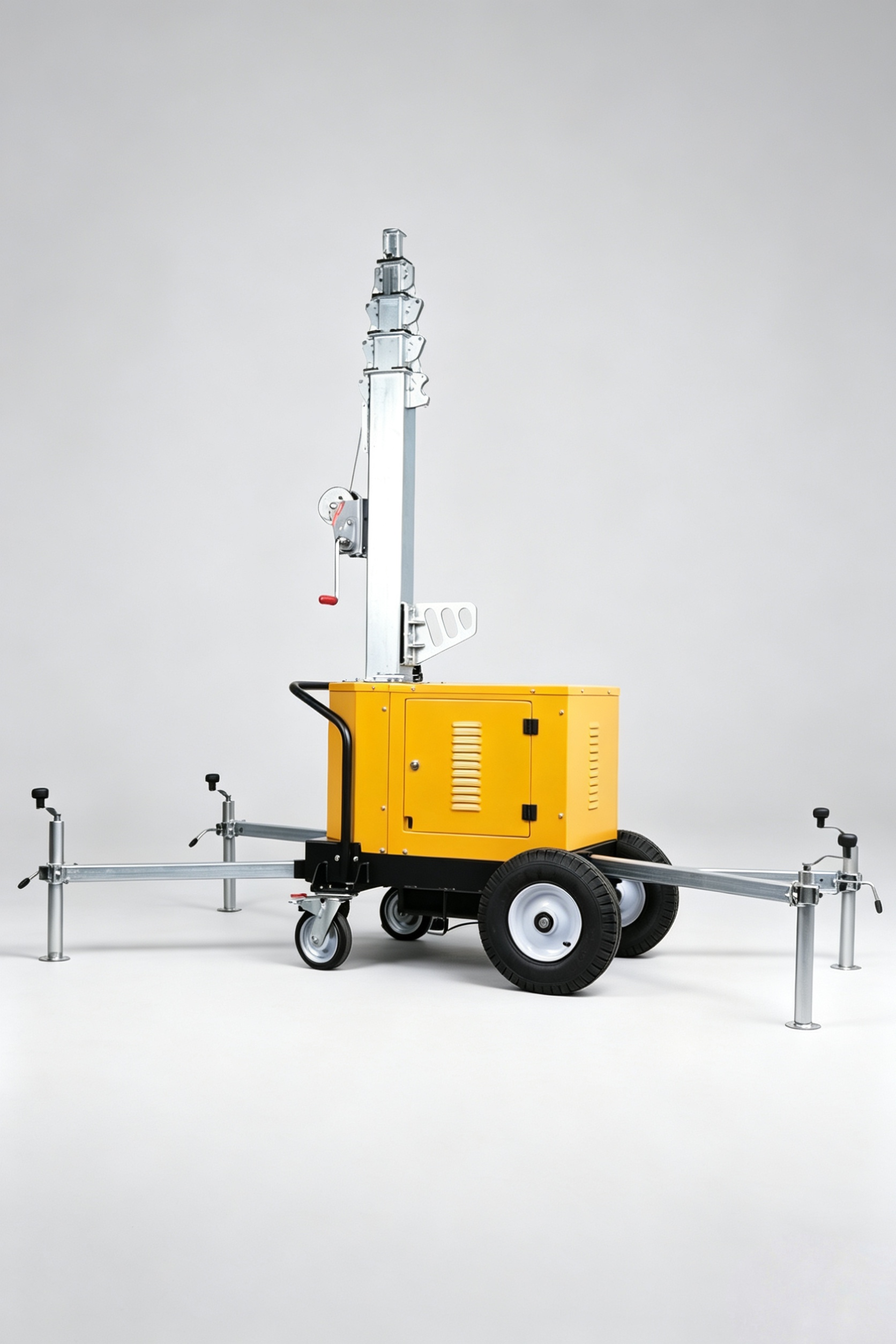
Good Questions Protect The Buyer
I think buyers should ask harder questions before they choose any industrial lighting product. This does not mean they should only choose the lowest price. A cheap product can become expensive if it fails often. But a high price is also not proof of quality. The best choice is usually the product that gives the strongest total value.
A serious buyer should ask how long setup takes. They should ask how the product performs in rain, dust, and long working hours. They should ask whether the light is glare-free. They should ask about certifications. They should ask about replacement parts and after-sales support. They should ask whether the supplier can offer OEM or custom solutions when needed.
| Buyer Checkpoint | Mengapa Ini Penting |
|---|---|
| Deployment time | Affects labor and project speed |
| IP protection level | Shows outdoor resistance |
| Glare control | Improves worker safety and comfort |
| Certifications | Supports compliance and trust |
| Maintenance design | Reduces long-term cost |
| Warranty and service | Lowers purchase risk |
| Custom ability | Fits special project needs |
At Moonlightia, we welcome these questions because they match our way of thinking. We provide inflatable light tower solutions for construction, rescue, events, and public works. We focus on glare-free lighting, IP65 protection, certified quality, and flexible OEM or ODM service. We also support sample orders and small buyers because I believe trust should start with real testing. A serious buyer should never buy only a story. They should buy a product that can stand in the field and prove itself.
Why Does The Future Belong To Real Product Value?
The future belongs to real product value because markets are becoming more open. Buyers compare faster, test deeper, and share feedback more directly.
The future belongs to manufacturers who convert premium cost into measurable customer benefit. Real value will come from engineering, durability, usability, efficiency, and long-term service.
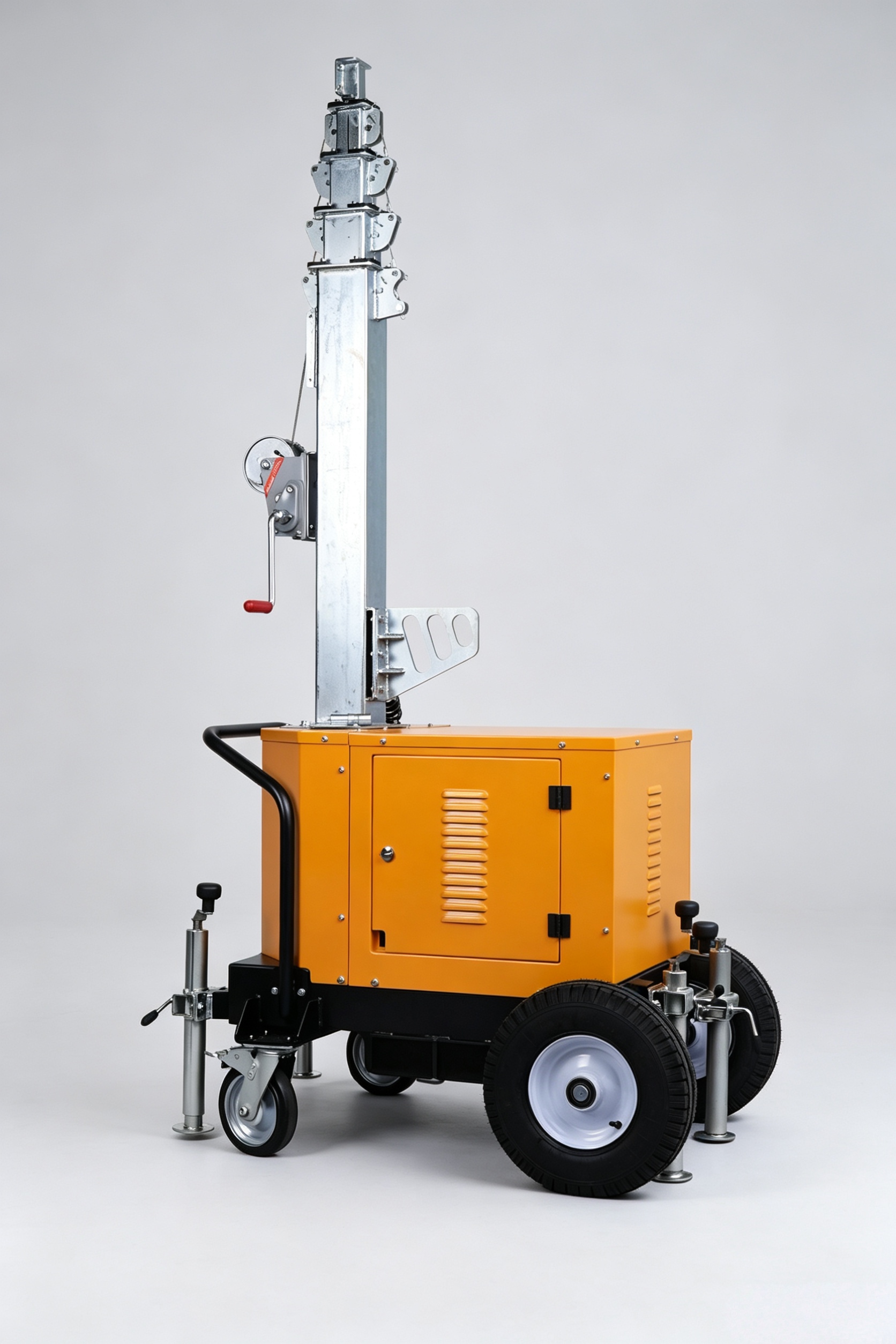
Trust Will Come From Performance
I believe the next stage of competition will be more honest. Companies can still tell stories, but the story must come after the product. A brand story should explain real value. It should not cover weak value. This is a big difference.
For industrial lighting, future buyers will care more about total cost of ownership. They will ask how much energy the product uses. They will ask how often it needs repair. They will ask how many workers are needed for setup. They will ask whether it works across different job sites. They will ask whether it can last for years.
| Future Buyer Focus | Manufacturer Response |
|---|---|
| Lower total cost | Improve efficiency and lifespan |
| Faster work | Design for easy transport and setup |
| Safer sites | Reduce glare and improve stability |
| Harsh environments | Build stronger and more protected systems |
| Custom projects | Offer flexible OEM and ODM support |
| Long-term trust | Provide warranty and lifetime service |
This future is good for customers. It is also good for manufacturers who care about real work. At Moonlightia, I see premium value as a promise that must be proven through use. We should not build products for brochures first. We should build products for workers, contractors, rescue teams, and event crews first. When the product helps them work safer, faster, and with less cost, the premium becomes fair. It becomes visible. It becomes useful. That is the kind of value that can survive after the story premium fades.
Kesimpulan
The story premium is fading. Real premium value now comes from products that perform better, last longer, and help customers solve real problems.


 English
  Español
  العربية
  Čeština
  Български
  Dansk
Dansk  Nederlands (Formeel)
  Français
  Deutsch (Sie)
  Ελληνικά
  עִבְרִית
  Magyar
  Bahasa Indonesia
  Italiano
  日本語
日本語  한국어
한국어  Bahasa Melayu
  Português do Brasil
  Русский
  Tiếng Việt
  ไทย
ไทย  Svenska