When I design a high-power LED balloon light, I always face the same hard problem. I need low weight, but I also need strong heat control. If I get this wrong, the whole fixture pays the price.
Better materials reduce LED balloon light fixture weight by improving heat transfer efficiency, so I do not need oversized metal structures to manage temperature. With advanced materials like superconducting thermal microcrystalline aluminum substrate, I can lower fixture weight, keep operating temperatures down, and protect LED lifespan at the same time.

I have worked with temporary lighting for years, and I have learned one simple lesson. Weight is important, but reliable heat dissipation is even more important. The best product is never the lightest product on paper. The best product is the one that stays bright, safe, and stable in real work.
Why Is Weight Reduction So Hard in High-Power LED Balloon Lights?
When I first looked at weight reduction, I thought the answer would be simple. I thought I could just remove metal, use lighter parts, and make the fixture easier to carry. But high-power LED lighting does not work that way.
Weight reduction is hard in high-power LED balloon lights because the fixture must manage heat, protect LED chips, keep structure strength, and stay safe in rough jobsite conditions. If I cut weight in the wrong place, I usually create heat problems, shorter lifespan, and lower reliability.
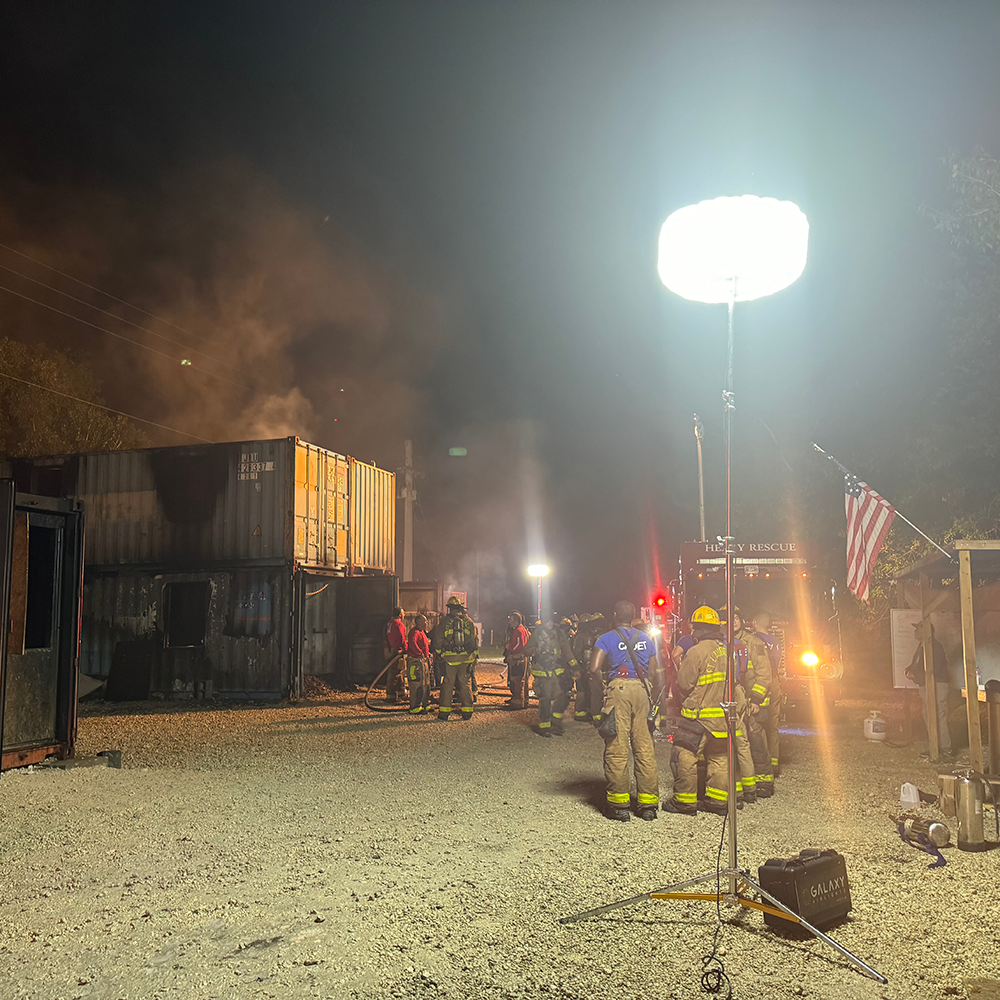
In my experience, the lamp head is never just a shell around LEDs. It is part of the cooling system. It is part of the safety system. It is also part of the product’s long-term value. High-power LEDs create a lot of heat during operation. If that heat cannot move away from the LED chips fast enough, junction temperature rises. Then light output drops. Then color stability gets worse. Then the lifespan of the whole fixture becomes much shorter.
This is why the old trade-off has always been real. If I use a large and heavy heat sink, I can usually improve thermal performance. But I also make transport, setup, and handling more difficult. That is bad for road work, event use, rescue work, and rental fleets. If I make the fixture too light by cutting metal thickness or using weak cooling materials, I may get a nice shipping number, but I lose reliability during actual use.
I have seen some manufacturers go too far in that direction. They use plastic or very thin aluminum substrates as heat sinks. That choice looks good in cost control and basic weight figures. But it often creates a hidden problem. During operation, fixture temperature can rise above 70°C. Once that happens, the LEDs age much faster. So the weight number may look better, but the real product becomes worse.
| Design choice | Short-term result | Long-term effect |
|---|---|---|
| Heavy traditional heat sink | Good cooling | More weight, harder handling |
| Thin aluminum or plastic structure | Lower weight, lower cost | Poor heat control, shorter LED life |
| Advanced thermal substrate | Lower weight with strong cooling | Better balance of performance and portability |
So when I talk about reducing weight, I do not mean removing material blindly. I mean choosing smarter material paths. That is the only way I can reduce weight without damaging the core value of the fixture.
What Happens When Manufacturers Choose the Wrong Lightweight Materials?
I often see the same mistake in the market. Some suppliers want a lighter fixture fast, so they choose materials that look good in a sales sheet but fail in real use. That kind of shortcut usually shows up later as heat, failure, and customer complaints.
When manufacturers choose the wrong lightweight materials, LED balloon lights can run too hot, lose brightness faster, and fail earlier. A fixture that looks lighter and cheaper at first can become more expensive over time because of repairs, replacements, and reduced service life.
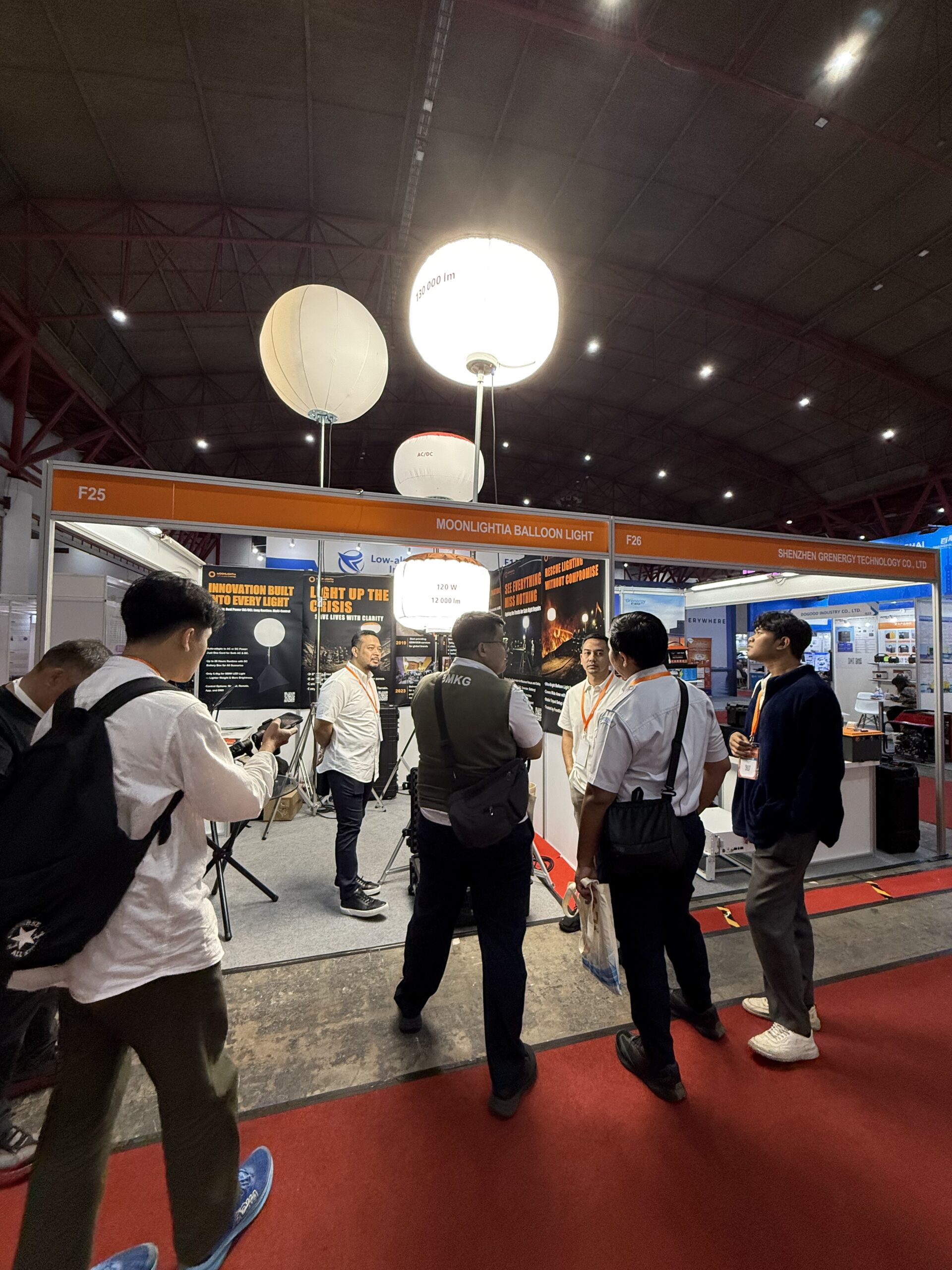
I think this is one of the most misunderstood parts of LED fixture design. Many buyers compare wattage, appearance, and weight first. That is normal. But the internal thermal path matters just as much. If the heat sink material cannot move heat quickly, the whole fixture is under stress every time it runs. In a balloon light, this matters even more because these products are often used for long working hours at night. They are used on road projects, emergency scenes, event sites, and temporary work areas where stable output is not optional.
I have seen cases where a manufacturer uses plastic elements or very thin aluminum boards to save cost and lower weight. On paper, that may look efficient. In practice, the temperature can go over 70°C during operation. At that point, the LEDs are not working in a friendly environment anymore. The driver and nearby parts also face more thermal stress. The user may not notice the damage on day one, but the damage builds over time. Light decay becomes faster. Failures come earlier. Maintenance costs rise.
That is why I never judge weight alone. I always ask one more question: what did the manufacturer remove to get that lower number? Sometimes the answer is smart engineering. Sometimes the answer is thermal performance.
| Material approach | Weight effect | Heat dissipation effect | Risk level |
|---|---|---|---|
| Plastic-based thermal support | Very light | Weak | High |
| Thin aluminum substrate | Light | Limited in high power use | Medium to high |
| Thick traditional metal heat sink | Heavy | Strong | Low for heat, high for portability |
| Superconducting thermal microcrystalline aluminum substrate | Light | Strong | Low |
For me, a reliable balloon light must work well after many cycles, not just during a short demo. That is why material choice is not just an engineering detail. It decides whether the fixture is truly professional.
How Does Superconducting Thermal Microcrystalline Aluminum Substrate Change the Balance?
This is where I have seen the biggest step forward. New material development has changed what is possible. I no longer have to accept the old rule that better cooling always means much more weight.
Superconducting thermal microcrystalline aluminum substrate changes the balance by transferring heat more efficiently than conventional lightweight options. This lets me reduce the size and mass of the heat dissipation structure while still protecting high-power LEDs, which means lower weight without giving up lifespan or reliability.
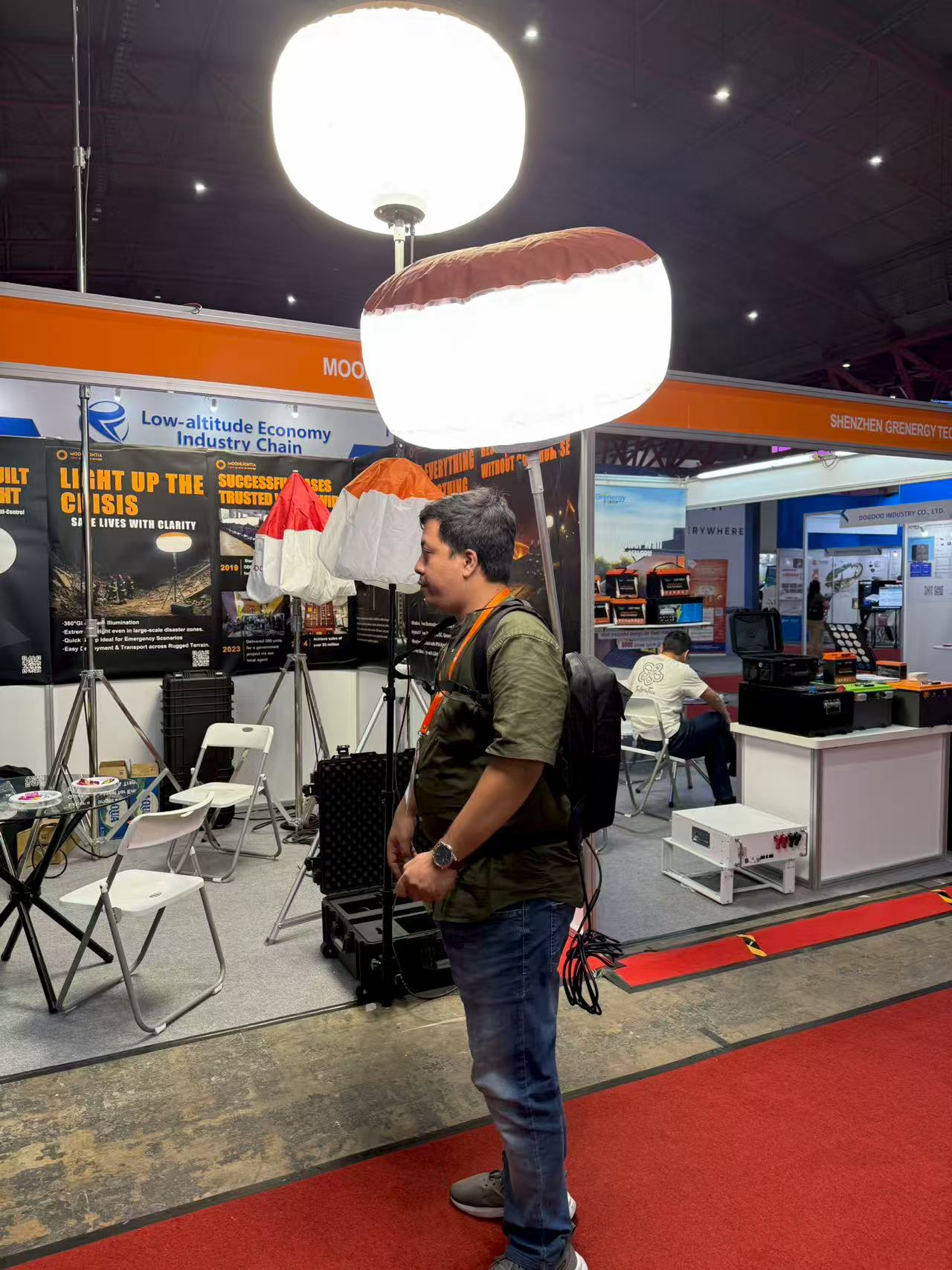
I see this material as a practical answer to an old engineering fight. For a long time, I had to choose between two imperfect paths. One path was strong cooling with a heavier lamp head. The other path was lower weight with weaker thermal control. With superconducting thermal microcrystalline aluminum substrate, I can move closer to both goals at once.
The material costs a bit more, and I do not hide that. But I care more about total product value than the cheapest starting cost. If a better substrate helps me lower fixture weight by more than 30% on a 1000W LED lamp head, while also solving the heat problem, that is not just a material upgrade. That is a full product upgrade. It changes transport, installation, labor load, and long-term reliability.
A simple comparison makes this clear. Wanco’s 600W balloon light fixture weighs 10 kg. Our 1300W lamp head using this new material weighs only 9 kg. For me, that is not just an impressive number. It proves that material efficiency matters more than old assumptions. I can build a more powerful head and still keep the weight lower.
| Product example | Power | Weight | What it shows |
|---|---|---|---|
| Conventional market example | 600W | 10 kg | Traditional structure can stay heavy even at lower wattage |
| Our lamp head with new material | 1300W | 9 kg | Better thermal material can cut weight and support higher power |
From my side, this is the kind of improvement that matters in the real world. A lighter lamp head is easier to move, easier to mount, and easier to deploy fast. A better thermal path keeps the LEDs safer. So I do not need to choose between portability and performance in the same old way. That is why I believe material innovation is one of the most useful paths for LED balloon light design.
Why Do I Keep Optimizing a Niche Product Like LED Balloon Lights?
Some people see LED balloon lights as a niche product and stop there. I do not. I see a niche product with very demanding users. That is exactly why I keep improving structure and materials instead of settling for what already works.
I keep optimizing LED balloon lights because niche products often serve critical jobs where failure is costly. Better materials and structure design help me deliver lighter, safer, and more reliable lighting for customers who need fast setup, stable output, and long service life.
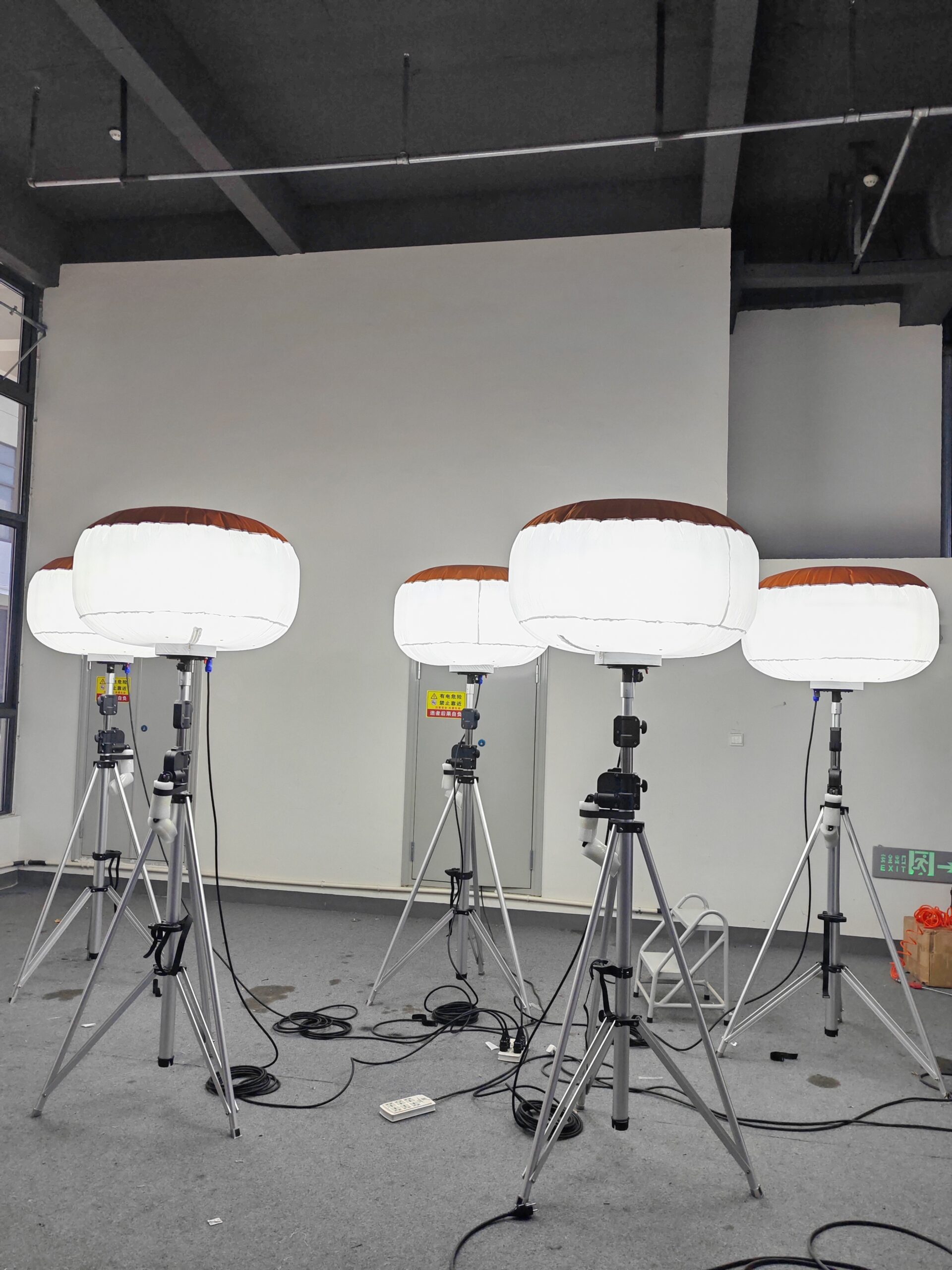
In my work, I do not build lighting just to meet a catalog spec. I build it for people who use it in real conditions. A road contractor may need fast night deployment. A rescue team may need dependable light in a high-pressure scene. An event crew may need soft and wide coverage without heavy equipment slowing them down. In all of these cases, product details matter. A few kilograms matter. Heat management matters. Material quality matters.
That is why I keep working on both product structure and material selection. I want the fixture to be lighter, but I also want it to survive tough use. I want the output to be strong, but I also want glare control and long LED life. I want the cost to stay competitive, but I do not want to win on price by lowering the real standard of the product.
Because balloon lights are a niche category, many people do not expect deep engineering work here. I think that is a mistake. Niche products often need more engineering, not less, because they are usually chosen for very specific and high-value jobs. So I keep improving. I keep testing. I keep comparing. I keep looking for better ways to bring high quality and reliable performance to customers who cannot afford weak lighting.
| Customer need | Why lower weight matters | Why better material matters |
|---|---|---|
| Road construction | Easier transport and setup | Stable long-hour operation |
| Fire and rescue | Faster deployment | Reliable performance in urgent conditions |
| Events and temporary sites | Easier handling and mounting | Safe, comfortable, consistent lighting |
| Distributors and OEM buyers | Better market value | Fewer complaints and stronger reputation |
For me, product optimization is not about chasing trends. It is about solving real pain points. When I improve material choices, I improve the user’s daily work. That is the kind of progress I care about.
Conclusion
I believe better materials are the smartest way to reduce LED balloon light weight, because they let me cut mass, control heat, and protect reliability all at once.

 English
  Español
  العربية
  Čeština
  Български
  Dansk
Dansk  Nederlands (Formeel)
  Français
  Deutsch (Sie)
  Ελληνικά
  עִבְרִית
  Magyar
  Bahasa Indonesia
  Italiano
  日本語
日本語  한국어
한국어  Bahasa Melayu
  Português do Brasil
  Русский
  Tiếng Việt
  ไทย
ไทย  Svenska